
Being Mortal
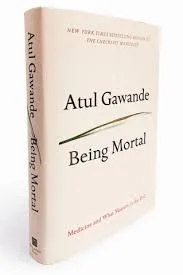
In his seminal book, Being Mortal: Medicine and What Matters in the End, Dr. Atul Gawande illuminates the profound realities of aging, mortality, and the way modern medicine approaches the end of life. At its core, the book advocates for care that focuses as much on quality of life than the extension of it. Central to this philosophy is the role of palliative home care, a model of care that focuses on comfort, dignity, and the unique wishes of each individual.
Palliative home care – performed with compassion and competence – perfectly aligns with the principles Gawande outlines in Being Mortal.
The Limitations of Modern Medicine
Modern medicine excels in prolonging life using technology and pharmaceutical solutions. Advancement in those areas is constant. However, as Gawande observes, this approach often fails to address a fundamental question: what makes life meaningful for the individual? In Being Mortal, he recounts stories of patients whose final days were spent in sterile hospital rooms, subjected to invasive treatments that offered little hope for recovery.
This disconnect stems from a medical culture focused on fighting disease at all costs – even when the battle is unwinnable. Gawande explains how this approach frequently overlooks the emotional, psychological, and social needs of patients nearing the end of their lives. This is where palliative care, particularly in the home setting, emerges as a compassionate alternative.
What Is Palliative Home Care?
Palliative home care is a specialized approach that provides medical, emotional, and spiritual support to end-of-life patients in the comfort of their homes. Unlike curative treatments, which aim to eradicate disease, palliative care focuses on managing symptoms and improving quality of life.
Key features of palliative home care include:
Patient-Centered Goals: Care is tailored to the patient’s values and wishes.
Symptom Management: Pain, breathlessness, fatigue, and other distressing symptoms are addressed.
Family Involvement: Care extends to the patient’s family, offering emotional support and guidance in logistical demands.
Interdisciplinary Teams: Palliative care includes communicating with doctors, nurses, social workers, and chaplains.
This model aligns with Gawande’s assertion that the ultimate goal of medical care should be to “enable well-being.” By shifting the focus from disease eradication to comfort and dignity, palliative home care helps patients live their remaining days in a way that feels meaningful to them.
Palliative Care Through Gawande’s Lens
In Being Mortal, Gawande shares the poignant story of his father’s illness and eventual death. This deeply personal narrative underscores the importance of having honest conversations about end-of-life care. Gawande recalls how his father, facing a terminal diagnosis, was empowered to make decisions about his care that reflected his values: spending time with family, maintaining autonomy, and avoiding unnecessary interventions.
Palliative home care facilitates these types of conversations. By encouraging open dialogue about goals and fears, it ensures that patients and their families can make informed choices. Gawande emphasizes that such discussions are not about giving up but about making the most of life, even in its final stages.
The Emotional Comfort of Home
One of the most compelling aspects of palliative home care is the setting itself. Being at home offers a sense of familiarity, comfort, and autonomy that hospitals and nursing facilities often lack. For many patients, the simple act of sleeping in their own bed, surrounded by loved ones, provides profound emotional solace.
Gawande describes how institutional settings can inadvertently strip individuals of their independence and identity. In contrast, home care allows patients to maintain a sense of normalcy and control. This is particularly important in the context of terminal illness, where so much feels uncertain and out of one’s hands.
The Role of Caregivers
Family members often play a crucial role in palliative home care, acting as primary caregivers and emotional anchors. While this responsibility can be challenging, it also fosters deep connections and moments of shared intimacy. Gawande notes that caregiving, though demanding, can be profoundly meaningful for families.
However, the burden on caregivers should not be underestimated. Palliative care teams provide essential support, offering respite, education, and resources to help families navigate the complexities of end-of-life care. This partnership ensures that family caregivers are not overwhelmed and that patients receive consistent, compassionate care.
Breaking the Silence: Conversations About Mortality
One of the most profound lessons in Being Mortal is the importance of discussing mortality openly and early. Too often, these conversations are avoided until it is too late, leaving patients and families unprepared for difficult decisions. Gawande advocates for a shift in how we talk about death, urging both medical professionals and families to approach the topic with honesty and sensitivity.
Palliative home care practitioners are trained to initiate these discussions. They ask questions like:
What matters most to you in the time you have left?
What are your biggest fears and concerns?
What trade-offs are you willing to make for more time?
These conversations help align care with the patient’s values, ensuring that their final days are spent in accordance with their wishes.
The Benefits of Palliative Home Care
Research consistently demonstrates the positive impact of palliative home care on both patients and their families.
Improved Quality of Life: Patients experience better symptom management, less pain, and greater emotional well-being.
Fewer Hospitalizations: Home care reduces the need for emergency room visits and hospital stays, allowing patients to avoid the stress of institutional care.
Cost-Effectiveness: By minimizing unnecessary treatments and hospitalizations, palliative care is often more affordable than traditional models of care.
Family Satisfaction: Families report higher satisfaction with care, citing the comfort of being involved and the reassurance of professional support.
These outcomes reflect Gawande’s vision of a medical system that prioritizes the needs and values of patients over rigid adherence to protocols.
Challenges and Barriers
Despite its benefits, palliative home care faces significant challenges.
Awareness: Many people are unaware of palliative care or mistakenly equate it with giving up hope.
Access: Availability varies widely, particularly in rural and underserved areas.
Training: There is a shortage of healthcare professionals trained in palliative care, limiting its reach.
Cultural Barriers: In some cultures, discussing death and dying remains taboo, complicating efforts to initiate palliative care.
Addressing these barriers requires systemic changes, including increased funding, public education campaigns, and integration of palliative care into standard medical training.
The Future of Palliative Home Care
As the global population ages, the demand for compassionate end-of-life care will continue to grow. Palliative home care offers a scalable, patient-centered solution that aligns with the values outlined in Being Mortal.
Moreover, a cultural shift is underway. Books like Being Mortal and movements advocating for “death positivity” are challenging societal norms around mortality, fostering a more open and accepting dialogue. This changing mindset will undoubtedly pave the way for broader acceptance and implementation of palliative home care.
Atul Gawande’s Being Mortal serves as both a critique of modern medicine’s approach to end-of-life care and a roadmap for a more compassionate future. Palliative home care embodies the principles he champions: prioritizing quality of life, respecting individual values, and embracing mortality as a natural part of the human experience.
By empowering patients to live their final days with dignity and purpose, palliative home care offers a powerful antidote to the impersonal, intervention-driven model of care that Gawande critiques. As we move forward, it is essential to continue advocating for this transformative approach, ensuring that every individual can face life’s end with comfort, dignity, and peace.