
Preparing Your Roaring Fork Valley Home for Postoperative Recovery
Recovering from surgery doesn’t end when a patient leaves the hospital. In many cases, the most important phase of healing happens at home. Preparing the home environment in advance can make recovery safer, more comfortable, and far less stressful for both patients and their families.
For families across Aspen and the Roaring Fork Valley, planning ahead is especially important. Mountain homes often include stairs, uneven walkways, and busy household routines that may not be ideal during early recovery. Many households begin preparing by arranging post-surgical in-home care in Aspen so their loved one has help with daily tasks while focusing on healing.
Whether someone is returning home after orthopedic surgery, cardiac procedures, or another major operation, thoughtful home preparation can reduce risks and support a smoother recovery process for residents in Aspen, Snowmass Village, Basalt, and Carbondale.
Why Preparing the Home Matters
The first days and weeks after surgery can be physically demanding. Patients may experience weakness, pain, limited mobility, or dizziness from medications. A well-prepared home helps reduce strain and lowers the risk of complications.
Medical experts recommend preparing the home before surgery whenever possible so patients can focus on rest rather than household tasks once they return.
Small adjustments—like organizing medications, clearing walkways, and arranging sleeping areas—can make daily routines significantly easier during recovery.
Set Up a Comfortable Recovery Area
One of the most helpful steps is creating a dedicated recovery space where the patient can rest comfortably and access essential items easily.
Ideally, this space should be located on the main level of the home to avoid frequent trips up and down stairs. This is particularly helpful in multi-level homes common throughout Aspen and Snowmass Village.
A recovery space should include:
A supportive bed or recliner
A bedside table for medications and water
Good lighting for nighttime movement
Easy access to a bathroom
Phone or call device within reach
Preparing their homes before surgery means they don’t have to manage these tasks during early recovery.
In many Roaring Fork Valley homes, converting a living room or guest room into a temporary recovery area can help minimize unnecessary movement.
Reduce Fall Risks Around the Home
Falls are one of the most common risks after surgery, especially when patients are dealing with weakness, medication side effects, or limited balance.
To create a safer environment:
Remove loose rugs or floor clutter
Secure electrical cords along walls
Improve lighting in hallways and bathrooms
Install non-slip mats in the bathroom
Keep frequently used items within reach
Medical guidance consistently emphasizes that minimizing hazards around the home can help prevent falls and injuries during recovery.
For homes in Basalt or Carbondale with hardwood or stone flooring, non-slip mats can be particularly helpful for improving traction.
Prepare the Kitchen and Meals Ahead of Time
Nutrition plays an important role in recovery. After surgery, the body needs energy, protein, and hydration to support tissue repair and healing.
Planning meals ahead of time can reduce the need for cooking during early recovery. Families may want to prepare and freeze simple meals or stock the kitchen with easy-to-prepare foods.
Helpful options include:
Soups and stews
Pre-cooked lean proteins
Fresh fruit and vegetables
Yogurt and high-protein snacks
Experts note that proper nutrition supports wound healing and immune function during postoperative recovery.
For families in the Roaring Fork Valley balancing work, school schedules, and caregiving responsibilities, preparing meals in advance can make the first weeks much easier.
Arrange Mobility and Safety Equipment
Depending on the type of surgery, patients may temporarily need mobility aids or assistive equipment.
Common items used during recovery include:
Walkers or canes
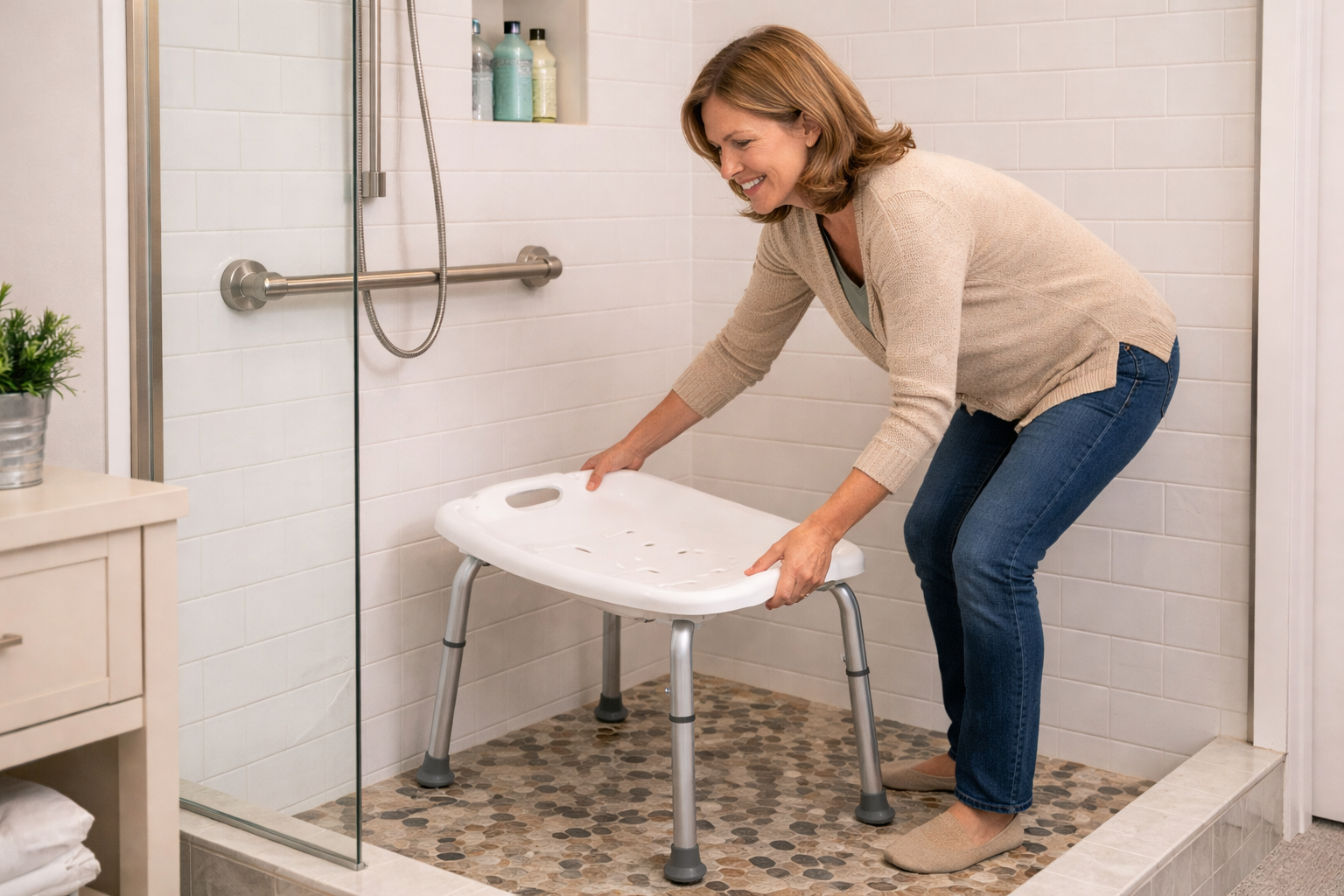
Shower chairs
Raised toilet seats
Grab bars near the shower or toilet
Handrails on stairs
Adaptive equipment can improve safety and help patients regain independence while recovering at home.
For Aspen residents recovering during winter months, it’s also important to clear snow and ice from entryways and walkways to prevent slips when leaving for medical appointments.
Organize Medications and Care Instructions
Postoperative care often involves multiple medications, wound care instructions, and follow-up appointments. Keeping everything organized helps prevent confusion during recovery.
Families can simplify care by:
Using a pill organizer or medication schedule
Keeping written discharge instructions nearby
Creating a checklist for daily care tasks
Posting emergency contact numbers in a visible location
Recovery timelines vary depending on the type of surgery and a patient’s overall health, but consistent medication management and follow-up care are essential for healing.
Organization becomes especially helpful for families in Snowmass Village or Carbondale who may travel longer distances for specialist appointments.
Plan for Help During the First Weeks
Even patients who are normally independent may need extra assistance during early recovery. Daily tasks like cooking, cleaning, and grocery shopping can become difficult while healing.
Before surgery, it’s helpful to plan who will assist with:
Household chores
Transportation to appointments
Medication reminders
Pet care
Errands or grocery shopping
Caregiving support during the first few weeks allows patients to focus on rest and rehabilitation rather than daily responsibilities.
Emotional Support During Recovery
Recovery after surgery is not only physical—it can also be emotionally challenging. Fatigue, pain, and temporary loss of independence can lead to frustration or anxiety.
Regular companionship and encouragement can help patients maintain a positive outlook while healing.
Simple support may include:
Checking in regularly
Spending time together
Helping with small daily tasks
Encouraging gentle movement as recommended by doctors
For families throughout Aspen, Snowmass Village, Basalt, and Carbondale, emotional support often becomes one of the most meaningful parts of the recovery journey.
A Safer Recovery Starts with Preparation
Preparing the home for postoperative recovery can significantly improve comfort and safety during the healing process. By creating a supportive environment, families can reduce risks and help loved ones regain strength more confidently.
Across the Roaring Fork Valley, thoughtful planning—combined with the right support—helps ensure that patients returning home from surgery can focus on what matters most: healing, rest, and a steady return to everyday life.