
Caring for Aging Parents in Aspen’s Second Homes
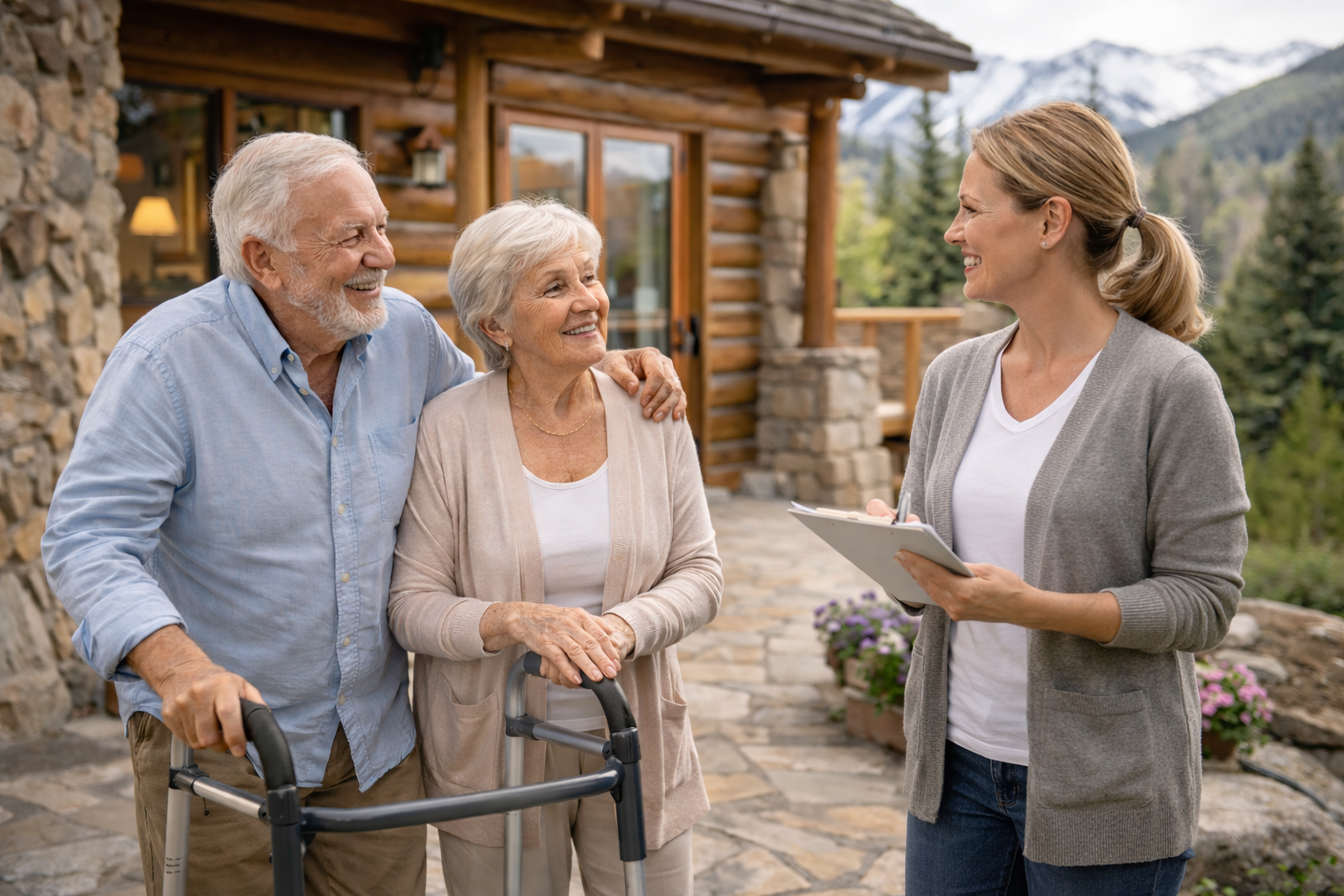
The Roaring Fork Valley has long been a destination where families build traditions around ski seasons, summer festivals, and time spent in the mountains. Many homeowners maintain second residences in Aspen, Snowmass Village, Basalt, or Carbondale that serve as gathering places for generations.
As parents age, however, families often begin asking an important question: how can they ensure their loved ones remain safe and supported while spending time in their Aspen home? For adult children who live out of state or cannot be present year-round, arranging dependable local support becomes essential. Many families address this need through Aspen home care services, which provide trusted help while seniors continue enjoying the comfort of their mountain residence.
With thoughtful planning and local support, aging parents can continue spending time in Aspen and throughout the Roaring Fork Valley while maintaining safety, independence, and quality of life.
Why Second Homes Create Unique Care Challenges
Owning a second home in Aspen often means families divide their time between multiple locations. Parents may spend several months each year in Colorado and the rest of the year elsewhere.
While this lifestyle can be rewarding, it also introduces logistical challenges as parents age.
Families often face situations such as:
Adult children living in another state
Parents traveling independently to Aspen
Homes not originally designed for aging in place
Limited familiarity with local support services
Seasonal travel between residences
Many older adults strongly prefer remaining in familiar environments as they age, a concept known as “aging in place.” Research from the National Institute on Aging shows that staying in one’s own home helps maintain independence and allows older adults to rely on family, friends, and community for support.
For many families, the goal is not to stop parents from enjoying Aspen—it is to ensure they can do so safely.
Signs Aging Parents May Need Support
Parents who have successfully managed a second home for decades may eventually experience subtle changes that make living independently more difficult.
Families visiting their Aspen or Snowmass Village home with aging parents may notice:
Difficulty navigating stairs or uneven surfaces
Missed medications or forgotten routines
Trouble preparing meals or grocery shopping
Increasing isolation once family members leave
Household tasks becoming physically difficult
These changes do not necessarily mean parents must give up their Aspen home. Instead, they often signal that additional support may help maintain independence.
Safety is a particularly important concern. Falls are the leading cause of injury among adults age 65 and older in the United States, with millions of older adults experiencing falls each year.
Having local support available can significantly reduce these risks while helping seniors remain active and independent.
The Role of Local Home Care in Aspen
For families who live far away, professional caregivers provide a reliable local presence.
Non-medical home care services support seniors with everyday tasks while allowing them to remain in their homes. For second-home owners in Aspen or Basalt, this type of care offers peace of mind that someone nearby is checking in regularly.
Typical services may include:
Personal care assistance
Help with bathing, grooming, and dressing.
Meal preparation
Preparing healthy meals and ensuring proper nutrition.
Medication reminders
Helping seniors maintain consistent routines.
Transportation
Driving to appointments or errands in Aspen, Snowmass Village, Basalt, or Carbondale.
Light housekeeping
Laundry, dishes, and maintaining a safe home environment.
Companionship
Social interaction and emotional support that help reduce isolation.
Care schedules can range from a few hours per week to more consistent daily assistance depending on the family’s needs.
Supporting Parents Who Travel Seasonally
Many Aspen homeowners split their time between Colorado and another primary residence. When parents travel between homes, coordinating care in multiple locations becomes especially important.
Families often choose to:
Arrange home care only during Aspen visits
Schedule regular check-ins while parents are in town
Coordinate caregivers around travel schedules
Ensure transportation to local appointments
Having a trusted caregiver in the Roaring Fork Valley allows families to feel confident that someone local is available when parents are staying in their second home.
Caregivers who become familiar with the home environment can also identify safety risks and notice changes in a senior’s health or mobility.
Making Aspen Homes Safer for Aging Parents
Many second homes were designed for recreation rather than long-term aging in place. Features that once felt luxurious—like multi-level layouts or expansive outdoor spaces—can eventually become challenging.
Families can take several steps to improve safety:
Improve lighting throughout the home
Well-lit spaces reduce the risk of falls and improve visibility.
Install grab bars in bathrooms
Bathrooms are one of the most common locations for accidents.
Remove trip hazards
Loose rugs, clutter, and cords should be eliminated.
Create accessible living spaces
Consider setting up a main-floor bedroom if stairs become difficult.
Keep emergency contacts accessible
Phones and important contact information should be easy to find.
Small home modifications can dramatically improve safety and make it easier for seniors to continue enjoying their Aspen residence.
The Emotional Value of Staying in Aspen
For many families, Aspen is far more than a vacation destination—it represents decades of family memories.
Parents may have purchased their home many years ago and built traditions around holidays, ski seasons, and summers in the mountains. Leaving that home behind can feel emotionally difficult.
Remaining connected to meaningful places and routines can support emotional well-being as people age. Research from the National Institute on Aging emphasizes that older adults often prefer staying in familiar homes and communities whenever possible.
Home care helps preserve these connections by allowing seniors to remain in the environment they love while receiving appropriate support.
Peace of Mind for Families Living Far Away
Adult children often feel a strong responsibility to ensure their parents are safe—especially when distance makes frequent visits difficult.
For families whose parents spend time in Aspen, Snowmass Village, Basalt, or Carbondale, having trusted local support can ease much of that concern.
Home caregivers provide:
A reliable presence in the home
Assistance with daily routines
Communication with family members
Companionship for seniors living alone
This support allows parents to maintain independence while giving families confidence that someone nearby is looking out for their well-being.
Helping Aging Parents Continue Enjoying Aspen
Aging does not have to mean giving up the places that matter most. With thoughtful planning and the right support, parents can continue spending time in their Aspen home safely and comfortably.
For families across the Roaring Fork Valley, home care provides a practical bridge between independence and support.
By combining compassionate caregivers, proactive planning, and strong family communication, aging parents can continue enjoying their Aspen home—and the mountain lifestyle they love—for years to come.