
Transportation Options for Seniors in the Roaring Fork Valley
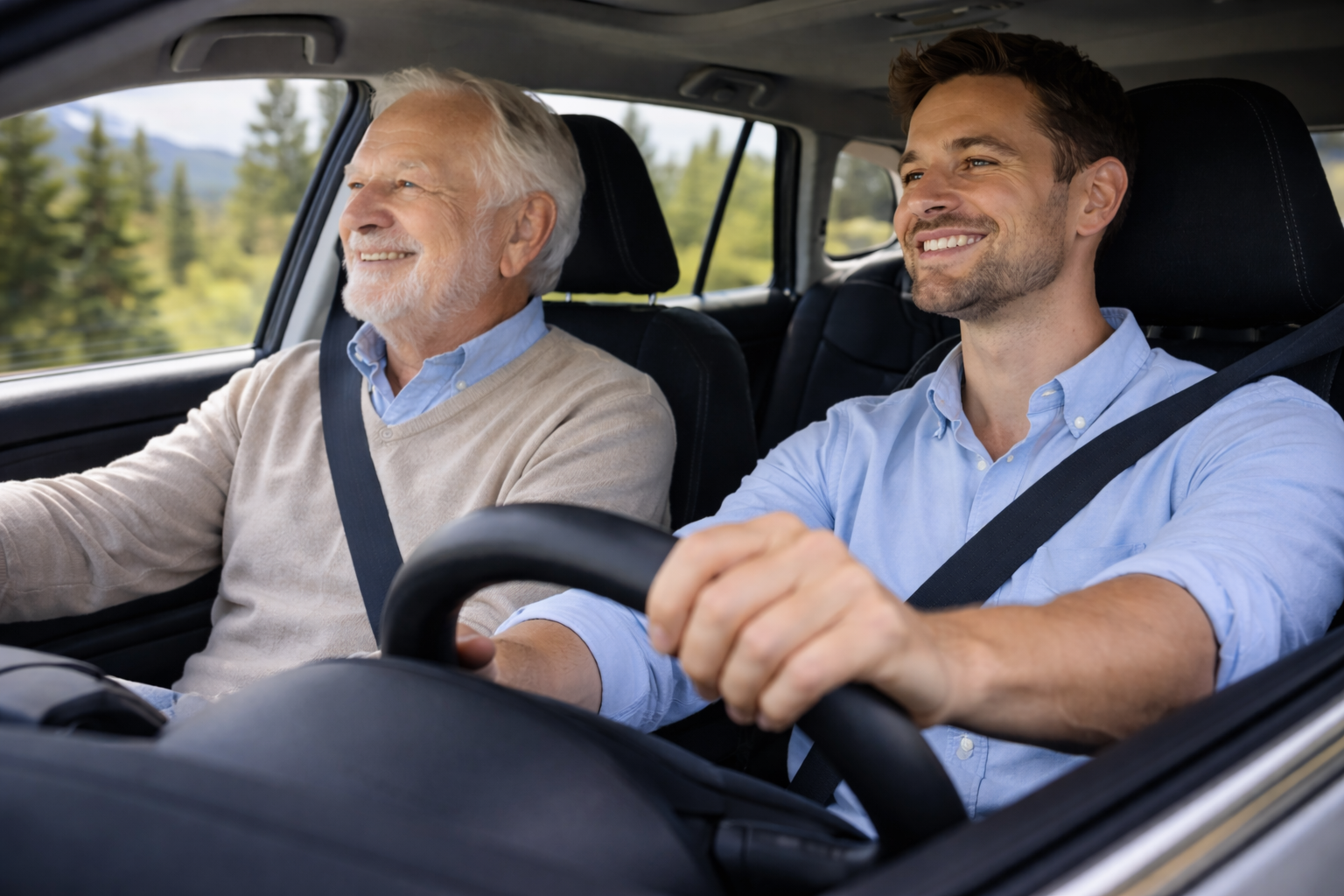
Reliable transportation is a key part of staying independent as we age. When driving starts to feel stressful—or becomes unsafe—getting to appointments, groceries, social events, and everyday errands can suddenly become complicated. In a valley where many services are spread between towns, transportation planning matters.
Families in Aspen, Snowmass Village, Basalt, and Carbondale often use a mix of options to keep older adults moving safely: public transit, local senior transportation programs, caregiver-assisted rides, and occasional private rides. For some families, pairing those resources with Aspen home care services makes it easier to keep routines consistent and avoid last-minute scrambles.
When it’s time to rethink driving
Many older adults drive safely for years. But aging can bring changes that affect driving—like slower reaction time, vision changes (especially at night), reduced range of motion, or increased fatigue. The CDC emphasizes that older adults are more likely to be seriously injured in crashes because the body becomes more vulnerable with age—even when crash risk itself isn’t dramatically higher.
Families often start the conversation when they notice:
“Close calls,” dings, or minor fender benders
Getting lost on familiar routes (or avoiding new routes)
Anxiety about winter driving, glare, or nighttime driving
Trouble turning the head/neck to check blind spots
Friends or neighbors expressing concern
If you’re unsure, the goal doesn’t have to be “stop driving today.” It can be “drive less, and build a transportation plan that’s ready when needed.”
Valley-wide public transit
Public transit can be a strong foundation for senior mobility in the Roaring Fork Valley, especially for seniors who are comfortable riding independently or with a companion at first. A single mention is enough here: RFTA operates regional routes through the valley and offers a senior fare program (including free rides for qualifying seniors).
For many seniors, public transit works best for predictable needs:
Regular trips between towns
Shopping or errands during daylight hours
Visiting friends and community activities
Certain medical appointments (depending on proximity to stops)
A practical tip: when families are helping a parent transition away from driving, doing a few “practice rides” together can remove a lot of anxiety.
Paratransit and senior transportation programs
Not every senior can comfortably manage a fixed-route bus system—especially with walkers, balance issues, oxygen, cognitive changes, or after procedures. That’s where specialized services matter.
Pitkin County Senior Services publishes local transportation guidance, including senior ride details and options like dial-a-ride style services.
These programs can be especially helpful for:
Door-to-door needs
Riders who can’t safely walk to stops
Seniors who need extra time getting in/out of a vehicle
Trips that require a helping hand from the car to the door
In Aspen and Snowmass Village, winter conditions and icy walkways can make even short distances risky—so “close to the stop” is sometimes not close enough.
Caregiver-assisted transportation
For many families in Aspen, Basalt, or Carbondale, the simplest option is transportation with a trusted caregiver—especially when a senior needs help beyond “a ride.”
Caregiver-assisted transportation is useful because it can include:
Help getting ready and safely walking to the car
Support with mobility devices (walker, cane, bags)
Companionship and assistance during errands
Help communicating at appointments (as appropriate)
A calmer experience for seniors who feel anxious traveling alone
This can be particularly valuable for:
Post-hospital or post-procedure follow-ups
Physical therapy visits
Pharmacy runs when medications change
Grocery shopping that requires lifting and carrying
It’s also a strong fit for second-home families who aren’t always in the Roaring Fork Valley: someone local can reliably execute the plan.
Ride services and private transportation
Sometimes you just need a one-off ride—especially for evenings, snowstorms, or when schedules change. Private rides (taxis or ride services where available) can fill gaps when public transit or community programs don’t fit the timing.
These options tend to work best when:
The senior is steady getting in/out of a car independently
The trip is straightforward (point A to point B)
A family member or caregiver can “handoff” at the destination if needed
If a senior needs physical support, supervision, or assistance inside the building, a caregiver ride is usually a better match than a simple ride service.
Why transportation is a health issue, not just a logistics issue
Transportation is tied directly to health outcomes: it affects appointment attendance, medication pickups, nutrition, and social connection. The National Institute on Aging highlights that loneliness and social isolation can increase risks for a range of health problems, and staying connected is protective.
In practical terms, transportation helps seniors:
Keep medical care consistent
Stay engaged socially (which protects mental health)
Maintain routines that support independence
Stay active and confident outside the home
In mountain towns like Aspen and Snowmass Village, where winter can shrink people’s routines, transportation becomes even more important to prevent “unintentional isolation.”
A simple planning checklist for families
Families in Carbondale, Basalt, and Aspen often find it easiest to plan transportation around the senior’s real week—not a theoretical one.
Try this approach:
List weekly needs (appointments, groceries, haircuts, social activities)
Match each need to the best option (public transit, senior program, caregiver ride, private ride)
Add winter backups (snow days, icy walkways, reduced daylight)
Create one shared schedule (so siblings and caregivers aren’t duplicating or missing rides)
Revisit monthly (needs change—especially after illness, falls, or medication adjustments)
For older drivers who are still on the road but questioning it, NHTSA encourages families to talk early about how aging affects driving and how to plan for safer mobility over time.
Staying mobile across the Roaring Fork Valley
The best transportation plan is usually a mix—not a single solution. Many seniors do well with public transit for some trips, a senior transportation program for others, and caregiver-assisted rides when they need hands-on support.
With a practical plan, seniors in Aspen, Snowmass Village, Basalt, and Carbondale can keep attending appointments, staying socially connected, and enjoying daily life across the Roaring Fork Valley—without relying solely on driving.